
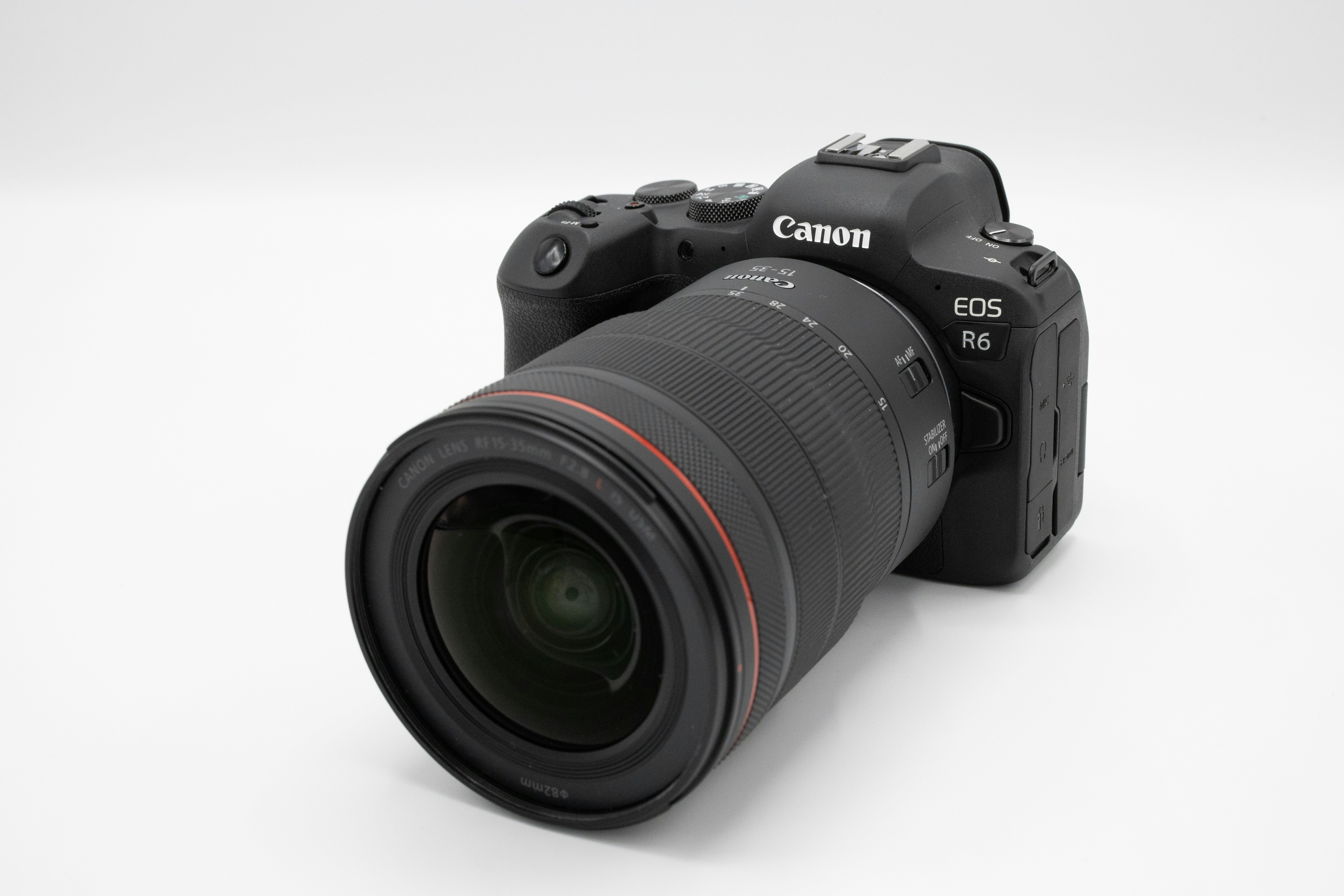
Understanding Your Photography Needs
The first step towards selecting the best camera 2026 is to understand your specific photography needs. Photography can be broadly categorized into several types, each requiring different features and capabilities from a camera. Key categories include landscape, portrait, sports, wildlife, and macro photography. Each type of photography presents unique challenges and opportunities that can inform your buying decision.
For instance, landscape photographers often seek cameras with high resolution and dynamic range to capture the subtleties of nature. They may prioritize lens compatibility for wide-angle shots and low-light performance to capture dawn or dusk scenes effectively. In contrast, portrait photographers might focus on cameras with excellent color accuracy and faster autofocus systems to ensure that they can capture their subjects sharply and with flattering tones.
Sports and wildlife photographers typically require cameras with high-speed continuous shooting capabilities and robust autofocus systems to keep up with fast-moving subjects. These photographers often look for durable models that perform well in varied weather conditions, as well as zoom lenses to cover different focal lengths without needing to change lenses frequently.
Macro photography, which focuses on capturing small subjects in great detail, necessitates cameras that can work well with macro lenses and have features allowing for precise focus control. For photographers interested in these intricate details, the sensor’s ability to perform in low light can also be a significant consideration.
In addition to the type of photography you plan to pursue, factors such as your budget, experience level, and desired features play a critical role in your decision-making process. Evaluating your skills and how often you will use the camera can help you make an informed choice when selecting the best camera 2026 for your needs.
Top Camera Options for 2026
As we delve into the realm of photography in 2026, the range of available cameras has expanded significantly, catering to a diverse spectrum of photography enthusiasts. This section outlines some of the best camera options categorized into three primary groups: DSLRs, mirrorless cameras, and compact point-and-shoots. Each category showcases key models that reflect the technological advancements and innovation present in the industry.
In the DSLR segment, the Canon EOS 90D stands out with its APS-C sensor and impressive autofocus system. Its combination of a robust build and versatile performance makes it suitable for both amateurs and professionals. On the other hand, the Nikon D850 remains a top contender due to its superior image quality and dynamic range, ideal for landscape and portrait photography. Both models, however, exhibit the bulkiness typical of DSLRs, which may deter some users.
![Canon DSLR Camera [EOS 90D] with 18-135 is USM Lens | Built-in Wi...](https://m.media-amazon.com/images/I/51o02AJe6GS._AC_.jpg)
Moving on to mirrorless cameras, the Sony A7 IV has garnered attention for its exceptional low-light capabilities and fast shooting speed. It offers a full-frame sensor that appeals to serious photographers seeking high-quality images.

- 33MP1 full-frame Exmor R back-illuminated CMOS sensor
- 8x more powerful2, next generation BIONZ XR image processing engine
- Up to 4K 60p11 10-bit 4:2:2 w/ full pixel readout in all rec. formats
Finally, in the realm of compact cameras, the Canon PowerShot G7 X Mark III exemplifies the convenience and quality of point-and-shoots. It features a large sensor and 4K video capabilities, making it a favorite among vloggers and casual users alike. Another excellent choice is the Sony ZV-1, designed specifically for content creators, boasting efficient autofocus and a user-friendly interface. These models illustrate that even without interchangeable lenses, compact cameras can deliver remarkable performance.
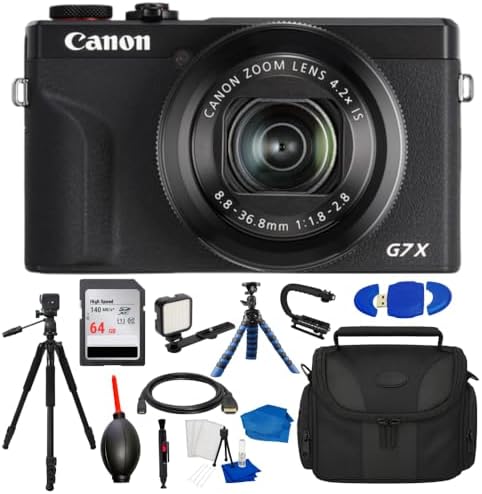

With a variety of options ranging from DSLRs to compact point-and-shoots, 2026 offers an impressive selection for anyone seeking the best camera tailored to their needs, ensuring that every type of photographer can find a suitable companion.
How to Evaluate Camera Specifications
Understanding camera specifications is crucial when seeking the best camera 2026 for your needs. The landscape of camera technology continues to evolve, making it essential for buyers to comprehend key terms associated with camera performance. One of the most important specifications is megapixels, which refers to the image resolution. Higher megapixel counts can result in more detailed photographs; however, they are not the sole determinant of image quality, as other factors also play significant roles.
Another critical specification is ISO sensitivity, which indicates a camera’s ability to perform in low-light conditions. A higher ISO allows you to capture brighter images in dim environments but can introduce noise into the photographs. Therefore, understanding the ISO capabilities can help you choose a camera that excels in various lighting scenarios.
Autofocus systems are vital for ensuring sharp images, especially in dynamic shooting situations. The best camera 2026 may feature different autofocus technologies, such as phase detection or contrast detection. Cameras equipped with more advanced autofocus systems generally perform better in fast-paced settings, which is essential for capturing action shots effectively.
Lens aperture is another significant aspect to consider. The aperture affects the depth of field, allowing photographers to control what is in focus within a shot. A lens with a wider aperture (lower f-stop number) can create beautiful background blurs, whilst also allowing more light into the camera for improved performance in low light. This combination enhances versatility, especially for users seeking diverse shooting styles.


In summary, evaluating camera specifications—such as megapixels, ISO sensitivity, autofocus systems, and lens aperture—is essential for identifying the best camera 2026 suited to your photography needs. By considering these elements, buyers can make informed decisions that align with their specific requirements and preferences.
Practical Tips for Choosing the Right Camera
Choosing the best camera in 2026 requires a thoughtful approach, as various factors can influence the decision-making process. One of the most effective ways to ensure suitability is through hands-on testing. Visit your local camera store or a photography expo to try out different models. Handling the camera will give you insight into its weight, design, and how the controls feel when in use. Personal comfort can greatly affect your photography experience; thus, it is crucial to find a camera that feels right in your hands.
In addition to hands-on testing, understanding the warranty and customer support offered by manufacturers is essential. The best camera 2026 choices often come with benefits that extend beyond the purchase price. A robust warranty can provide peace of mind in the event of issues arising post-purchase, while efficient customer support can assist in resolving any challenges you may encounter. Be sure to research the warranty agreements and support policies of the brands you are considering.
When determining the best camera for your needs, it is vital to strike a balance between desired features and budget constraints. While it can be tempting to opt for a high-end model boasting multiple advanced features, consider what you genuinely need for your photography style. Prioritize essential features such as sensor quality, lens compatibility, and ease of use, ensuring that each aspect aligns with your budgetary limits.
Finally, don’t overlook the accessories that can enhance your photographic endeavors. Investing in items such as a quality tripod, camera bag, and extra batteries can significantly enrich your experience. Moreover, consider lens filters, memory cards, and external flashes, as these can expand the creative potential of your camera, elevating your photography to the next level.